Buy reuni.eu ?
We are moving the project
reuni.eu .
Are you interested in purchasing the domain
reuni.eu ?
domain@kv-gmbh.de · 0541-91531010
Buy reuni.eu ?
What is the sonnet about nature and art?
The sonnet about nature and art explores the relationship between the natural world and human creativity. It reflects on how art can capture the beauty and power of nature, and how nature can inspire and influence artistic expression. The sonnet celebrates the interconnectedness of the two, suggesting that both nature and art have the ability to evoke deep emotions and create a sense of wonder in the observer. Ultimately, the sonnet highlights the profound connection between the natural world and human creativity. **
What is the connection between art and nature?
Art and nature have a deep and interconnected relationship. Many artists draw inspiration from the beauty and complexity of the natural world, using it as a source of creativity and expression. Nature often serves as a subject matter for artists, who seek to capture its essence and translate it into their work. Additionally, art has the power to raise awareness about environmental issues and encourage a deeper appreciation and respect for the natural world. Ultimately, both art and nature share a sense of harmony, balance, and interconnectedness that can be reflected in various artistic forms. **

Similar search terms for Nature art
Top-Angebote
Products related to Nature art:
-
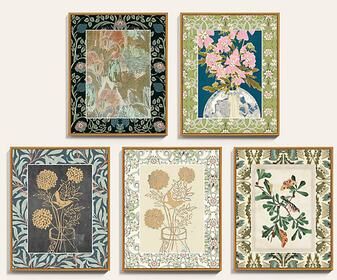
"Nature Nouveau Art - Print II, 25"" x 21"" - Ballard Designs"In the 19th century, famed designer William Morris created a series of wallpapers celebrating the simple forms of nature he admired every day in British gardens, fields, and hedgerows. We combined Morris’ classic wallpaper designs with gorgeous...343,20 $*Shipping: 39,95 $Secure redirect to the provider
-
"Nature Nouveau Art - Print III, 31"" x 25"" - Ballard Designs"In the 19th century, famed designer William Morris created a series of wallpapers celebrating the simple forms of nature he admired every day in British gardens, fields, and hedgerows. We combined Morris’ classic wallpaper designs with gorgeous...359,20 $*Shipping: 43,10 $Secure redirect to the provider
-
"Nature Nouveau Art - Print III, 25"" x 21"" - Ballard Designs"In the 19th century, famed designer William Morris created a series of wallpapers celebrating the simple forms of nature he admired every day in British gardens, fields, and hedgerows. We combined Morris’ classic wallpaper designs with gorgeous...343,20 $*Shipping: 39,95 $Secure redirect to the provider
-
"Nature Nouveau Art - Print V, 31"" x 25"" - Ballard Designs"In the 19th century, famed designer William Morris created a series of wallpapers celebrating the simple forms of nature he admired every day in British gardens, fields, and hedgerows. We combined Morris’ classic wallpaper designs with gorgeous...359,20 $*Shipping: 43,10 $Secure redirect to the provider


-
What is typical for the art and nature of the classical period?
The art and nature of the classical period are characterized by a focus on balance, harmony, and proportion. In art, this is seen in the emphasis on idealized forms, symmetry, and naturalistic representations of the human body. Nature during this period was also celebrated for its beauty and order, with a strong connection to the natural world reflected in art, literature, and philosophy. Overall, the classical period is known for its pursuit of perfection and the belief that beauty and truth can be found in the natural world. **
-
What is typical of the art and nature of the classical period?
The art and nature of the classical period are characterized by a focus on balance, harmony, and proportion. In art, this is seen in the emphasis on idealized forms, realistic human figures, and architectural precision. Nature during this period was often depicted as serene and orderly, reflecting the belief in the inherent beauty and balance of the natural world. Overall, the classical period celebrated the pursuit of perfection and the belief in the power of reason and intellect. **
-
What makes art art?
Art can be defined as a form of creative expression that evokes emotions, stimulates the senses, and communicates ideas. It is a reflection of the artist's unique perspective and can take many different forms, such as painting, sculpture, music, literature, or performance. What makes art art is its ability to inspire, provoke thought, and connect people on a deeper level through the power of creativity and imagination. Ultimately, art is a way for individuals to express themselves and make sense of the world around them. **
-
Why is it actually called Mother Nature and not Father Nature or Human Nature?
The term "Mother Nature" likely originated from ancient cultures that personified nature as a nurturing and life-giving force, similar to the role of a mother. This concept is rooted in the idea of the Earth as a source of sustenance and fertility, which aligns with the nurturing and life-giving qualities traditionally associated with motherhood. Additionally, the association of nature with femininity may also stem from the ancient worship of female deities representing the Earth and fertility. Over time, this association has become deeply ingrained in many cultures and continues to be reflected in the use of the term "Mother Nature." **

Art therapy or art education?
Art therapy and art education serve different purposes and cater to different needs. Art therapy is a form of therapy that uses the creative process of making art to improve a person's physical, mental, and emotional well-being. It is typically used as a form of treatment for individuals dealing with trauma, stress, or mental health issues. On the other hand, art education focuses on teaching artistic skills, techniques, and art history to individuals who are interested in developing their artistic abilities. Both are valuable in their own right, with art therapy providing therapeutic benefits and art education fostering creativity and skill development. Ultimately, the choice between art therapy and art education depends on the individual's goals and needs. **
From when is art art?
Art has been a part of human expression for thousands of years, with evidence of artistic creation dating back to prehistoric times. The concept of art has evolved over time, with different cultures and societies defining and creating art in their own unique ways. Ultimately, art is a form of human expression that has been present throughout history and continues to be a vital part of human culture and creativity. Therefore, it can be said that art has been art for as long as humans have been creating and expressing themselves through various forms of visual, auditory, and performance-based mediums. **
Top-Angebote
Products related to Nature art:
-
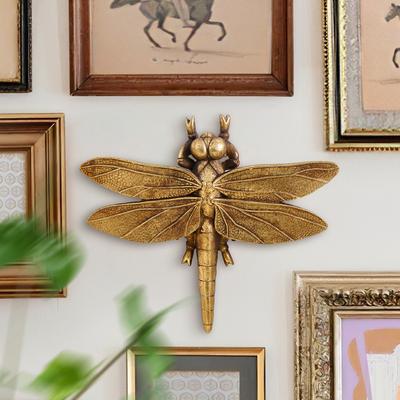
ModernMart Golden Dragonfly Wall Decor Resin Hanging Nature Art Accent Golden Dragonfly Wall Decor Resin Hanging Nature Art AccentTransform your space with a touch of elegance inspired by nature. This beautifully crafted dragonfly wall decor brings a sense of calm, grace, and positive energy into any room. Designed for those who appreciate artistic details and meaningful...39,97 $*Shipping: 0,00 $Secure redirect to the provider
-
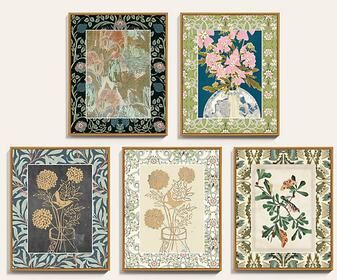
"Nature Nouveau Art - Print II, 21"" x 17"" - Ballard Designs"In the 19th century, famed designer William Morris created a series of wallpapers celebrating the simple forms of nature he admired every day in British gardens, fields, and hedgerows. We combined Morris’ classic wallpaper designs with gorgeous...239,20 $*Shipping: 39,95 $Secure redirect to the provider
-
"Nature Nouveau Art - Print II, 25"" x 21"" - Ballard Designs"In the 19th century, famed designer William Morris created a series of wallpapers celebrating the simple forms of nature he admired every day in British gardens, fields, and hedgerows. We combined Morris’ classic wallpaper designs with gorgeous...343,20 $*Shipping: 39,95 $Secure redirect to the provider
-
"Nature Nouveau Art - Print III, 31"" x 25"" - Ballard Designs"In the 19th century, famed designer William Morris created a series of wallpapers celebrating the simple forms of nature he admired every day in British gardens, fields, and hedgerows. We combined Morris’ classic wallpaper designs with gorgeous...359,20 $*Shipping: 43,10 $Secure redirect to the provider
-
What is the sonnet about nature and art?
The sonnet about nature and art explores the relationship between the natural world and human creativity. It reflects on how art can capture the beauty and power of nature, and how nature can inspire and influence artistic expression. The sonnet celebrates the interconnectedness of the two, suggesting that both nature and art have the ability to evoke deep emotions and create a sense of wonder in the observer. Ultimately, the sonnet highlights the profound connection between the natural world and human creativity. **
-
What is the connection between art and nature?
Art and nature have a deep and interconnected relationship. Many artists draw inspiration from the beauty and complexity of the natural world, using it as a source of creativity and expression. Nature often serves as a subject matter for artists, who seek to capture its essence and translate it into their work. Additionally, art has the power to raise awareness about environmental issues and encourage a deeper appreciation and respect for the natural world. Ultimately, both art and nature share a sense of harmony, balance, and interconnectedness that can be reflected in various artistic forms. **
-
What is typical for the art and nature of the classical period?
The art and nature of the classical period are characterized by a focus on balance, harmony, and proportion. In art, this is seen in the emphasis on idealized forms, symmetry, and naturalistic representations of the human body. Nature during this period was also celebrated for its beauty and order, with a strong connection to the natural world reflected in art, literature, and philosophy. Overall, the classical period is known for its pursuit of perfection and the belief that beauty and truth can be found in the natural world. **
-
What is typical of the art and nature of the classical period?
The art and nature of the classical period are characterized by a focus on balance, harmony, and proportion. In art, this is seen in the emphasis on idealized forms, realistic human figures, and architectural precision. Nature during this period was often depicted as serene and orderly, reflecting the belief in the inherent beauty and balance of the natural world. Overall, the classical period celebrated the pursuit of perfection and the belief in the power of reason and intellect. **
Similar search terms for Nature art
-
"Nature Nouveau Art - Print III, 25"" x 21"" - Ballard Designs"In the 19th century, famed designer William Morris created a series of wallpapers celebrating the simple forms of nature he admired every day in British gardens, fields, and hedgerows. We combined Morris’ classic wallpaper designs with gorgeous...343,20 $*Shipping: 39,95 $Secure redirect to the provider
-
"Nature Nouveau Art - Print V, 31"" x 25"" - Ballard Designs"In the 19th century, famed designer William Morris created a series of wallpapers celebrating the simple forms of nature he admired every day in British gardens, fields, and hedgerows. We combined Morris’ classic wallpaper designs with gorgeous...359,20 $*Shipping: 43,10 $Secure redirect to the provider
-
"Nature Nouveau Art - Print V, 21"" x 17"" - Ballard Designs"In the 19th century, famed designer William Morris created a series of wallpapers celebrating the simple forms of nature he admired every day in British gardens, fields, and hedgerows. We combined Morris’ classic wallpaper designs with gorgeous...239,20 $*Shipping: 39,95 $Secure redirect to the provider
-
"Nature Nouveau Art - Print IV, 25"" x 21"" - Ballard Designs"In the 19th century, famed designer William Morris created a series of wallpapers celebrating the simple forms of nature he admired every day in British gardens, fields, and hedgerows. We combined Morris’ classic wallpaper designs with gorgeous...343,20 $*Shipping: 39,95 $Secure redirect to the provider
-
What makes art art?
Art can be defined as a form of creative expression that evokes emotions, stimulates the senses, and communicates ideas. It is a reflection of the artist's unique perspective and can take many different forms, such as painting, sculpture, music, literature, or performance. What makes art art is its ability to inspire, provoke thought, and connect people on a deeper level through the power of creativity and imagination. Ultimately, art is a way for individuals to express themselves and make sense of the world around them. **
-
Why is it actually called Mother Nature and not Father Nature or Human Nature?
The term "Mother Nature" likely originated from ancient cultures that personified nature as a nurturing and life-giving force, similar to the role of a mother. This concept is rooted in the idea of the Earth as a source of sustenance and fertility, which aligns with the nurturing and life-giving qualities traditionally associated with motherhood. Additionally, the association of nature with femininity may also stem from the ancient worship of female deities representing the Earth and fertility. Over time, this association has become deeply ingrained in many cultures and continues to be reflected in the use of the term "Mother Nature." **
-
Art therapy or art education?
Art therapy and art education serve different purposes and cater to different needs. Art therapy is a form of therapy that uses the creative process of making art to improve a person's physical, mental, and emotional well-being. It is typically used as a form of treatment for individuals dealing with trauma, stress, or mental health issues. On the other hand, art education focuses on teaching artistic skills, techniques, and art history to individuals who are interested in developing their artistic abilities. Both are valuable in their own right, with art therapy providing therapeutic benefits and art education fostering creativity and skill development. Ultimately, the choice between art therapy and art education depends on the individual's goals and needs. **
-
From when is art art?
Art has been a part of human expression for thousands of years, with evidence of artistic creation dating back to prehistoric times. The concept of art has evolved over time, with different cultures and societies defining and creating art in their own unique ways. Ultimately, art is a form of human expression that has been present throughout history and continues to be a vital part of human culture and creativity. Therefore, it can be said that art has been art for as long as humans have been creating and expressing themselves through various forms of visual, auditory, and performance-based mediums. **
* All prices are inclusive of VAT and, if applicable, plus shipping costs. The offer information is based on the details provided by the respective shop and is updated through automated processes. Real-time updates do not occur, so deviations can occur in individual cases. ** Note: Parts of this content were created by AI.